
Instrumentation Engineer Resume Examples, Skills & Keywords
An instrumentation engineer resume should do more than list your education and previous jobs. It should quickly show employers that you understand industrial instrumentation, control systems, process measurement, and the equipment used to keep operations safe and efficient.
Whether you are a fresh graduate, an experienced instrumentation engineer, or planning to move into a new industry, your resume should focus on the skills and experience that match the position you want.
In this guide, you’ll find instrumentation engineer resume examples, important skills, useful keywords, and practical tips to make your resume stronger and more ATS-friendly.
⭐ Rated 4.8★ on Google | Trusted by 10,000+ Professionals
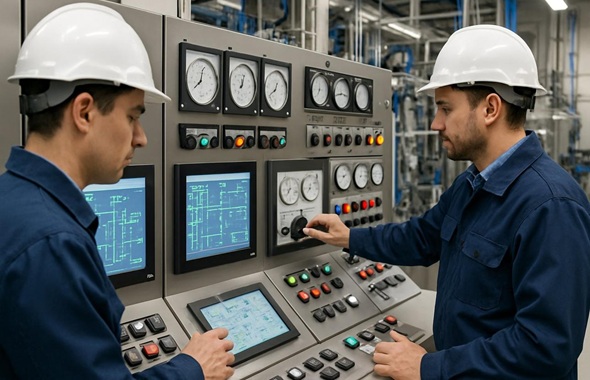
What Does an Instrumentation Engineer Do?
Instrumentation engineers work with instruments and control systems used to monitor and control industrial processes. Their work can include selecting instruments, preparing technical documentation, testing equipment, troubleshooting control systems, and supporting installation and commissioning.
Depending on the industry, an instrumentation engineer may work with:
- Pressure, temperature, flow, and level instruments
- Control valves and actuators
- PLC and DCS systems
- SCADA systems
- Process control systems
- Calibration and testing equipment
- Instrumentation drawings and documentation
- Industrial automation systems
- Safety and control systems
Because the role can vary significantly between industries, your resume should highlight the responsibilities and technologies that are most relevant to the job description.
Instrumentation Engineer Resume Example
Here is a simple example of how an instrumentation engineer resume can be structured.
Professional Summary
Instrumentation Engineer with experience in industrial instrumentation, process control, calibration, testing, and troubleshooting. Familiar with PLC/DCS systems, control valves, field instruments, loop checking, and instrumentation documentation. Strong understanding of safety procedures, equipment maintenance, and technical problem-solving.
Technical Skills
- Process Instrumentation
- PLC and DCS
- SCADA
- Control Valves
- Pressure & Temperature Instruments
- Flow & Level Measurement
- Calibration
- Loop Checking
- Instrument Testing
- Control Systems
- P&ID Interpretation
- Troubleshooting
- Preventive Maintenance
- Commissioning
- AutoCAD
- MS Excel
Professional Experience
Instrumentation Engineer
ABC Engineering Pvt. Ltd. | 2022–Present
- Maintained and troubleshot process instrumentation and control equipment.
- Performed calibration and testing of pressure, temperature, flow, and level instruments.
- Supported installation, commissioning, and maintenance activities.
- Conducted loop checking and assisted with control system testing.
- Reviewed P&IDs and instrumentation drawings during project activities.
- Coordinated with electrical, mechanical, and operations teams to resolve technical issues.
- Maintained records related to calibration, inspection, and equipment maintenance.
Education
Bachelor of Engineering in Instrumentation Engineering
XYZ University | 2018–2022
Instrumentation Engineer Resume for Freshers
If you are a fresher, you may not have professional engineering experience yet. That does not mean your resume has to look empty.
Instead, use your academic projects, internships, technical training, laboratory work, and relevant coursework to demonstrate your knowledge.
For example:
Professional Summary
Recent Instrumentation Engineering graduate with knowledge of process instrumentation, industrial automation, control systems, calibration, and basic PLC programming. Familiar with pressure, temperature, flow, and level measurement techniques. Looking for an entry-level instrumentation engineering position to apply technical knowledge and develop practical industry experience.
Fresher Skills
- Industrial Instrumentation
- Process Control
- PLC Basics
- DCS Basics
- Sensors and Transducers
- Calibration
- Control Valves
- P&ID Reading
- Measurement Systems
- Basic Automation
- AutoCAD
- MS Excel
- Troubleshooting
If you completed an academic project, explain what you worked on, which tools or technologies you used, and what the project achieved instead of simply writing the project title.
Key Instrumentation Engineer Resume Skills
The skills section is one of the most important parts of an instrumentation engineer resume. Recruiters often scan this section to determine whether your technical background matches their requirements.
1. Process Instrumentation
Mention instruments you have actually worked with, such as:
- Pressure transmitters
- Temperature transmitters
- Flow meters
- Level transmitters
- Sensors
- Gauges
- Control valves
2. PLC and DCS
Knowledge of automation and control systems can be valuable for instrumentation engineering positions.
If applicable, mention specific systems you have used, such as Siemens, Allen-Bradley, Honeywell, Emerson, Yokogawa, or Schneider Electric.
Only include technologies that you genuinely understand or have worked with.
3. Calibration and Testing
Calibration is an important responsibility in many instrumentation roles. Relevant skills may include:
- Instrument calibration
- Loop checking
- Functional testing
- Calibration documentation
- Instrument inspection
- Test equipment handling
4. Control Valves
If you have experience with control valves, include relevant areas such as:
- Valve selection
- Valve testing
- Actuators
- Positioners
- Troubleshooting
- Preventive maintenance
5. Instrumentation Drawings
Many instrumentation jobs require engineers to understand technical drawings and documentation.
Useful keywords include:
- P&ID
- Instrumentation drawings
- Loop diagrams
- Hook-up drawings
- Wiring diagrams
- Instrument index
- Cable schedules
- Datasheets
6. Troubleshooting
Employers want engineers who can identify problems and help restore equipment to normal operation.
Instead of simply writing “troubleshooting,” explain what you troubleshoot and the type of equipment involved.
For example:
Weak:
- Responsible for troubleshooting.
Better:
- Troubleshot field instruments and control loops to identify measurement and signal-related issues.
Instrumentation Engineer Resume Keywords
Using relevant keywords can help your resume perform better in Applicant Tracking Systems (ATS). The best approach is to use keywords naturally throughout your summary, skills, and work experience.
Here are some commonly relevant instrumentation engineering keywords:
Technical Keywords
- Instrumentation Engineering
- Process Instrumentation
- Process Control
- Industrial Automation
- PLC
- DCS
- SCADA
- Control Systems
- Control Valves
- Sensors
- Transmitters
- Calibration
- Loop Checking
- Instrument Testing
- Commissioning
- Preventive Maintenance
- Troubleshooting
- P&ID
- Instrumentation Drawings
- Process Measurement
- Automation
- Safety Instrumented Systems
- Instrument Datasheets
The exact keywords you use should depend on the job description. If an employer specifically asks for experience with a particular PLC, DCS, software, or instrument, include it when you genuinely have that experience.
How to Write an Instrumentation Engineer Resume
Start With a Clear Resume Summary
Your summary should quickly explain your professional background and strongest areas.
Avoid generic statements such as:
“Hardworking and dedicated engineer looking for a challenging position.”
Instead, focus on your actual engineering skills, experience, and specialization.
Match Your Resume to the Job Description
Do not use exactly the same resume for every application.
Read the job description carefully and identify the technical requirements. If the position focuses heavily on PLC programming, process control, commissioning, or maintenance, make sure your relevant experience is easy to find.
Show Results Where Possible
Your work experience becomes more convincing when you show measurable results.
For example:
- Reduced recurring instrument faults by improving preventive maintenance procedures.
- Supported commissioning of instrumentation systems for a new production line.
- Calibrated and tested multiple process instruments according to maintenance schedules.
Use numbers only when they are accurate and you can support them.
Keep the Resume Easy to Scan
A good engineering resume does not need complicated design elements.
Use:
- Clear section headings
- Short bullet points
- Consistent formatting
- Simple fonts
- Relevant technical keywords
- Reverse-chronological work experience
Avoid excessive graphics, tables, icons, and decorative elements if you want the resume to remain ATS-friendly.
Common Mistakes to Avoid
Even technically qualified candidates can weaken their resumes through simple mistakes.
Listing Too Many Unrelated Skills
Do not add every software or technology you have ever encountered. Focus on skills that are relevant to instrumentation engineering and the specific position.
Writing Long Job Descriptions
Recruiters usually do not need a paragraph describing every daily task. Use concise bullet points that explain your responsibilities and contributions.
Using the Same Resume for Every Job
A maintenance-focused instrumentation role may have different requirements from an automation or commissioning position. Adjust your resume accordingly.
Ignoring Projects as a Fresher
Projects can provide useful evidence of your technical knowledge when you have limited professional experience.
Adding Skills You Cannot Explain
If you list PLC, DCS, SCADA, or a specific control system on your resume, be prepared to discuss your knowledge during an interview.
Frequently Asked Questions
What should an instrumentation engineer put on a resume?
An instrumentation engineer should include a clear summary, technical skills, relevant work experience, education, projects, certifications, and industry-specific keywords. Skills such as PLC, DCS, calibration, process instrumentation, control valves, troubleshooting, and commissioning can be relevant depending on the job.
Which skills are important for an instrumentation engineer?
Important skills may include process instrumentation, process control, PLC, DCS, SCADA, calibration, control valves, sensors, troubleshooting, P&ID interpretation, commissioning, and preventive maintenance.
How can a fresher create an instrumentation engineer resume?
Freshers can focus on their engineering degree, academic projects, internships, technical training, laboratory experience, certifications, and relevant instrumentation skills. A concise career objective or professional summary can also explain the type of role they are seeking.
Should an instrumentation engineer resume be ATS-friendly?
Yes. An ATS-friendly resume uses clear headings, simple formatting, relevant keywords, and easy-to-read sections. Avoid unnecessary graphics and make sure important technical skills appear in appropriate sections.
How long should an instrumentation engineer resume be?
For most candidates, one to two pages is sufficient. Freshers should generally aim for one page, while experienced engineers can use two pages when they have enough relevant experience to justify the additional space.
Final Thoughts
A strong instrumentation engineer resume should make your technical background easy to understand within a few seconds. Focus on the instruments, control systems, software, engineering activities, and results that are most relevant to the position.
Whether you are a fresher or an experienced professional, avoid filling your resume with unnecessary information. A focused resume with relevant keywords, clear achievements, and practical technical skills is much more effective than a long list of responsibilities.
Before applying, compare your resume with the job description and make sure your most relevant qualifications are easy to find. A few targeted changes can make your resume more useful to both recruiters and ATS software.